The right pickup schedule keeps bales from crowding your stockroom and keeps trucks from showing up for one small bale. Most businesses don’t need the same frequency at every site. A busy distribution center and a small convenience store produce very different amounts of cardboard, so each location should get a pickup schedule that fits what it actually generates.
Start With How Many Bales Each Location Makes
Before you pick a frequency, count. Track how many bales each location produces over two to four weeks, along with rough weights. A clipboard by the baler works fine. You’re looking for a steady number per week and any spikes around deliveries, promotions, or seasonal resets.
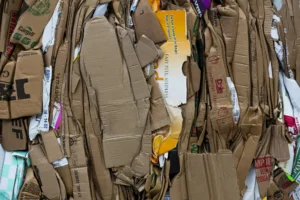
Greene Recycling picks up bales from 180 lbs up to 1,200 lbs, so the size of your bales matters as much as the count. Ten small bales and three large ones can take up the same floor space and call for different visits. Learn more about bale pickup.
Weekly Pickup
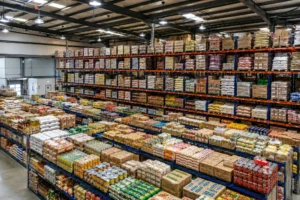
Weekly service fits locations that fill their storage area fast. Think high-volume grocery stores, busy retail stores, and warehouses that unload trucks every day. If bales start blocking aisles or dock doors before the week is out, you need a weekly visit. It also keeps bales indoors and dry instead of spilling outside, where rain can damage them.
Bi-Weekly Pickup
Bi-weekly service suits steady, moderate volume. Many chain stores land here: they produce a reliable stack of bales every two weeks and have room to hold them safely. If a weekly truck keeps finding only a bale or two, moving to every other week often makes sense.
Monthly Pickup
Monthly service works for lower-volume sites with dry storage space, such as smaller restaurants, offices with a compact baler, or light manufacturing that doesn’t ship much. The test is simple. If bales stay clean, dry, and out of the way for a month, monthly is fine. If they don’t, step up.
Will-Call Pickup
Will-call means you call when you’re ready. It’s a good fit for locations with unpredictable volume, seasonal operations, or sites that only build a few bales after a big reset or inventory change. The tradeoff is that someone on site has to watch the stack and make the call. If that responsibility keeps slipping, a fixed schedule is usually the safer choice.
One Program, Different Schedules
If you manage many locations, you don’t have to choose one pickup schedule for all of them. A flagship store might need weekly service while a smaller store across town is fine with monthly. Greene Recycling serves 500+ business locations, and mixed frequencies across one account are normal. See how this works for retail and chain stores and warehouses and distribution.
Signs It’s Time to Adjust
Volume changes with the seasons, new suppliers, and store remodels. Review each pickup schedule a few times a year and watch for these signs:
- Bales pile up: storage is full before the truck arrives, or bales end up outside.
- Light pickups: the truck regularly leaves with only one or two bales.
- Loose cardboard: boxes stack up because the baler area is crowded.
- Damaged bales: wet or crushed bales from sitting too long.
Any of these means the frequency no longer matches the volume. A quick call is usually all it takes to change it.
When Bales Aren’t the Right Fit
Some sites don’t bale at all. If a location produces large amounts of loose cardboard, a 30-ft roll-off with dump and return service or a 40-yard compactor may work better than a baler and a set pickup schedule. Compare roll-offs and compactors to see which fits your space.
How Frequency Affects Your Rebate
As a recycling broker, Greene Recycling sells your baled cardboard into the recycling market. The more bales we pick up, the higher the rebate we can extend. A pickup schedule that collects full, clean, dry bales protects that value. Corrugated cardboard is one of the most recycled packaging materials in the country, according to the EPA, and well-kept bales help keep it that way. Read more about recycling rebates.
Set Up the Right Pickup Schedule
Tell us how many locations you have and roughly how many bales each one produces, and we’ll recommend a pickup schedule for every site. Weekly, bi-weekly, monthly, and will-call are all available, and we’ll adjust as your volume changes. Request a quote or call 512-630-5108.