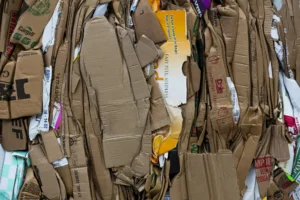
The Drop and Rise of OCC Prices
In the world of retail small business, keeping an eye on commodity prices is crucial, especially when it comes to materials that are essential for packaging and shipping. Cardboard in particular is one commodity that has been making waves recently also known as old corrugated containers (OCC). Understanding OCC pricing trends can help small business owners navigate the costs associated with packaging materials effectively.
The Rise and Fall of OCC Prices
The demand for old corrugated containers skyrocketed during the pandemic-induced e-commerce boom. However, as businesses slowed down their ordering and reduced inventories due to rising interest rates in 2022, OCC prices experienced a significant drop. Nonetheless, over the past year, OCC prices have rebounded, more than tripling in some regions of the country.
Several factors contribute to this resurgence in OCC prices. One of the primary drivers is the opening of new mills that rely on recycled cardboard to produce fresh containerboard for corrugated shipping boxes and paperboard used in various packaging applications.
Factors Influencing OCC Prices
The competition for recycled boxes has intensified, particularly on the West Coast, due to disruptions in the global supply chain caused by conflicts such as the Red Sea conflict. Additionally, rising input costs, including OCC, have prompted producers to increase prices for containerboard and paperboard products.
According to data from Fastmarkets RISI’s PPI Pulp & Paper Week, the national average price for OCC stood at $87 per short ton in January, a significant increase from $29 per ton a year ago. However, prices can vary significantly depending on location, with West Coast ports experiencing prices as high as $190 per ton and the Southeast seeing prices climb to around $150 per ton.
The Impact on Small Businesses
For small businesses that rely on cardboard packaging for their products, understanding OCC pricing dynamics is crucial for budgeting and planning. Fluctuations in OCC prices can directly impact the cost of packaging materials, affecting overall production costs and profit margins.
Furthermore, the competition for recycled cardboard feedstock has intensified, with mills going to great lengths to secure their supply. This increased competition may lead to higher prices and supply chain challenges for small businesses reliant on cardboard packaging.
Looking Ahead
While current OCC prices remain high, analysts anticipate that prices may eventually stabilize as cardboard production ramps up and mills find alternative sources of feedstock. However, the issue of low recycling rates, particularly in residential and small commercial sectors, poses a long-term challenge.
Staying informed about OCC pricing trends and exploring alternative packaging solutions can help small business owners mitigate the impact of fluctuating commodity prices on their operations. Additionally, investing in recycling initiatives and collaborating with suppliers can contribute to a more sustainable and cost-effective packaging strategy in the long run.