Insights
5 Things You Did Not Know About Cardboard
Cardboard is an essential material in the business world, especially for small businesses that rely on packaging and shipping. But beyond being just a box or a shipping container, cardboard has many surprising qualities that make it an excellent choice for sustainable business practices. Here are five things you may not know about cardboard and how it can benefit your small business.
1. Cardboard is Highly Recyclable and Biodegradable
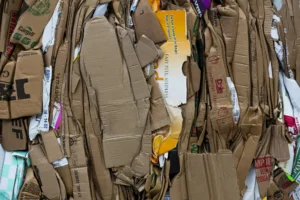
One of the most significant benefits of cardboard is its recyclability. Over 70% of cardboard is recycled into new products, making it one of the most recycled materials globally. Unlike plastic, which can take centuries to break down, cardboard is biodegradable, often decomposing within months under the right conditions. This makes it a greener alternative to many other packaging materials, allowing your business to reduce its carbon footprint.
2. It’s Surprisingly Durable and Versatile
Cardboard might seem fragile, but it’s more durable than you think. Double-walled or corrugated cardboard can support a significant amount of weight, making it perfect for shipping delicate or heavy products. Additionally, cardboard can be customized in various ways—from adding handles to creating intricate packaging designs—offering versatility that meets the unique needs of your business.
3. It Can Be Repurposed and Upcycled
Before you toss that cardboard box, consider how it could be repurposed. Cardboard is easy to upcycle into various useful items, from storage containers to creative display materials for your business. Encouraging your customers to reuse or repurpose your cardboard packaging not only extends its life cycle but also positions your brand as eco-conscious and innovative.
4. Cardboard Production is Becoming More Sustainable
Advancements in manufacturing technology are making cardboard production more sustainable. Many producers are shifting towards using recycled content, reducing water consumption, and minimizing emissions during production. By choosing suppliers that prioritize sustainable practices, your business can further contribute to environmental protection while still benefiting from cost-effective packaging.
5. It’s Cost-Effective and Customizable
Cardboard is an economical choice for small businesses. Not only is it cheaper than many alternative packaging options, but its lightweight nature also reduces shipping costs. Additionally, cardboard can be easily customized with branding, colors, and designs, helping your business stand out without breaking the bank. This balance of affordability and branding potential makes it a smart choice for businesses looking to optimize their packaging strategy.
Conclusion
Cardboard offers far more than just a convenient way to ship products. Its recyclability, durability, and cost-effectiveness make it an ideal choice for small businesses committed to sustainability. By understanding the benefits of cardboard, you can make informed decisions that not only support your business goals but also contribute to a greener planet.
Whether you’re just starting or looking to refine your packaging strategies, consider how cardboard can play a role in your business’s success.