Insights
How Cardboard Finds New Life through Recycling
The Cardboard Story Begins
Cardboard, everywhere in our daily lives, is primarily composed of paper fibers derived from wood. It serves as packaging material for everything from online purchases to grocery items, shipping boxes to cereal packages. Yet, its journey doesn’t end once it serves its initial purpose.
Collection and Sorting
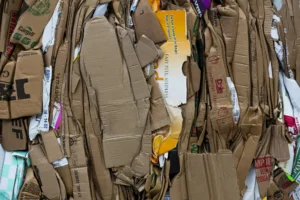
The first step in the cardboard recycling process is collection. Cardboard is gathered from various sources, including households, businesses, and industries. Many communities have dedicated recycling programs that facilitate the collection of cardboard alongside other recyclable materials.
After collection, the cardboard undergoes sorting. This step is crucial to ensure that only clean and uncontaminated cardboard enters the recycling process. Contaminants like food residue or non-recyclable materials can hinder the recycling process and compromise the quality of the recycled product.
Breaking it Down
Once sorted, the cardboard is broken down into smaller pieces. This process involves shredding or pulping the cardboard, transforming it into a pulp mixture consisting of water and fibers. The pulp is then screened to remove any impurities and further refine the fiber consistency.
Fiber Extraction and Refinement
Next comes the fiber extraction stage. In this step, the pulp mixture is agitated to separate the paper fibers from the water. The fibers are then washed and cleaned to remove any remaining contaminants.
After cleaning, the fibers are refined to enhance their quality and strength. This may involve additional screening and refining processes to achieve the desired fiber consistency.
Forming New Products
Once the fibers are refined, they are ready to be formed into new products. The recycled cardboard fibers can be used to manufacture a wide range of paper products, including new cardboard boxes, paperboard, and packaging materials.
The formed products undergo quality control measures to ensure that they meet industry standards and specifications. This includes testing for strength, durability, and overall product integrity.
Closing the Loop
One of the most compelling aspects of cardboard recycling is its ability to close the recycling loop. By recycling cardboard, we reduce the demand for virgin materials derived from trees, conserving natural resources and mitigating the environmental impact of paper production.
Furthermore, recycling cardboard helps divert waste from landfills, reducing the burden on our waste management infrastructure and minimizing environmental pollution.
The Importance of Recycling
The recycling of cardboard is not only environmentally beneficial but also economically viable. Recycled cardboard can be processed and manufactured at a lower cost compared to virgin materials, making it an attractive option for businesses and industries.
Moreover, recycling cardboard supports a circular economy model, where resources are used efficiently, and waste is minimized through recycling and reuse.
The journey of cardboard recycling exemplifies the transformative power of sustainable practices. From collection and sorting to fiber extraction and product formation, each step in the recycling process contributes to the conservation of resources and the protection of our environment.
As individuals, businesses, and communities, we all play a vital role in promoting recycling and embracing sustainable practices. By recognizing the value of recycling cardboard and other materials, we can contribute to a healthier planet for current and future generations.
Let us continue to unfold the cycle of recycling, one cardboard box at a time by scheduling your cardboard bale pickup today!