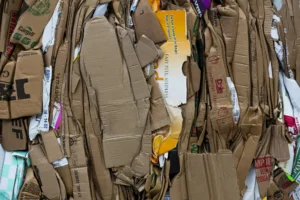
Cardboard Recycling Rates Changing
Recent updates to how the American Forest & Paper Association (AF&PA) calculates recycling rates have brought significant changes to the reported numbers for paper and cardboard recycling. These updates reflect shifts in consumer behavior, global supply chains, and a need for more accurate estimates. Here’s what small business owners should understand about these changes and what they mean for your recycling efforts.
What’s Changed in Recycling Data?
The AF&PA now reports recycling rates as a range instead of specific figures, emphasizing that these are estimates influenced by various factors. For example:
- The 2023 overall paper recycling rate is reported at 65-69%, with 46 million tons recycled.
- The 2023 cardboard recycling rate is estimated at 71-76%, a noticeable drop from 2022’s 93.6% under older methodologies.
These updates stem from a shift to a supply-based approach, which better accounts for materials’ availability and contamination levels in recycling streams.
Why Are These Changes Important?
The adjustments aim to improve transparency and reflect real-world recycling dynamics. For example, the new methodology incorporates:
- Moisture content in recovered materials.
- Packaging imported with goods, previously overlooked in traditional models.
- The inclusion of contaminants in recycling bales, which can distort weight-based metrics.
These refinements create a clearer picture of how much recyclable material is being effectively processed and how much remains untapped.
Industry Impact and Reactions
While the updated rates have sparked debate, they align more closely with other independent recycling estimates. Alternative models, like those from consulting firms and researchers, have highlighted discrepancies in past reporting. This push for accuracy encourages businesses and policymakers to evaluate recycling systems more critically.
What This Means for Small Businesses
For small businesses, particularly those involved in packaging or dependent on recycled materials, understanding these changes is crucial. Here’s how you can take action:
- Assess Your Recycling Practices: Ensure your cardboard and paper waste is sorted and clean to maximize recycling potential.
- Stay Informed: Follow updates from organizations like the AF&PA to stay ahead of industry shifts.
- Advocate for Local Improvements: Work with local recycling programs to address inefficiencies and promote higher recovery rates.
Recycling remains a success story for the paper industry, with millions of tons collected annually. Small businesses play a vital role in this ecosystem. By staying proactive and informed, you can contribute to improving recycling systems while supporting sustainability goals.
Ready to make a difference? Start by scheduling your cardboard bale pickup route today!