Insights
What is Waste To Energy?
In an era where sustainability is paramount, finding innovative solutions to manage waste is crucial. Waste-to-energy (WTE) plants stand out as a beacon of sustainability, offering a unique approach to waste management while simultaneously generating clean energy. Let’s delve into the world of waste-to-energy plants and explore their significance, functioning, benefits, and challenges.
Understanding Waste-to-Energy Plants
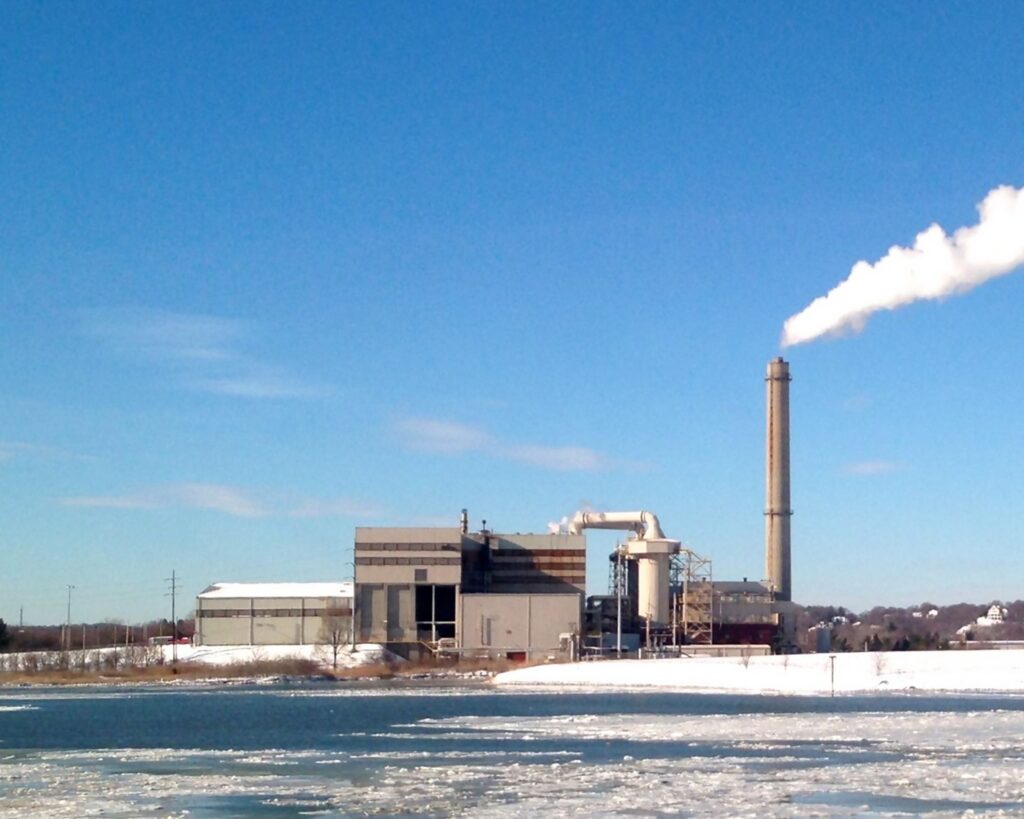
Waste-to-energy plants, also known as WTE plants or energy recovery facilities, are facilities that convert municipal solid waste (MSW) into electricity or heat energy through various processes. These plants utilize different technologies such as incineration, gasification, and pyrolysis to thermally break down waste materials, thereby generating energy.
How Do They Work?
Collection and Sorting: Waste collected from households and industries undergoes sorting to separate recyclables, organic waste, and non-recyclables.
Incineration or Gasification: The non-recyclable fraction, often consisting of plastics, paper, and organic waste, is fed into the WTE plant’s furnace. Here, depending on the technology used, it undergoes incineration (combustion in the presence of oxygen) or gasification (conversion into combustible gases in a low-oxygen environment).
Energy Generation: The heat generated from the combustion or gasification process is used to produce steam, which drives turbines connected to generators. This mechanical energy is then converted into electricity.
Emission Control: Advanced emission control systems are employed to minimize air pollutants, such as particulate matter, sulfur dioxide, and nitrogen oxides, released during the combustion process.
Residue Management: After energy recovery, the remaining ash is processed and disposed of safely in compliance with environmental regulations.
Benefits of Waste-to-Energy Plants
Energy Generation: WTE plants produce electricity or heat, contributing to the energy mix and reducing reliance on fossil fuels.
Waste Reduction: By diverting waste from landfills, WTE plants help alleviate pressure on limited landfill space, prolonging their lifespan.
Greenhouse Gas Reduction: While not completely emissions-free, modern WTE plants employ advanced technologies to mitigate emissions, resulting in lower greenhouse gas emissions compared to traditional landfilling.
Resource Recovery: Some WTE processes allow for the recovery of metals from the ash, which can be recycled, further reducing the need for virgin materials.
Renewable Energy Source: The energy produced from waste is considered renewable since waste is a continuously available resource.
Waste-to-energy plants represent a sustainable solution to two pressing global issues: waste management and energy generation. By harnessing the energy potential of waste materials, these facilities play a vital role in transitioning towards a circular economy where resources are utilized efficiently and waste is minimized. While challenges exist, ongoing technological advancements and increased public awareness offer promising prospects for the widespread adoption of waste-to-energy initiatives, paving the way for a cleaner, greener future.