The Decomposition Timeline of Cardboard
Cardboard is a staple in our daily lives, whether it’s from shipping boxes, packaging, or grocery store displays. While its prevalence is undeniable, many people are unaware of the environmental impact it has, particularly regarding its decomposition timeline.
Understanding Cardboard Composition
Cardboard is primarily made from wood fibers, which are a natural and biodegradable material. The decomposition process of cardboard depends on several factors, including environmental conditions, the presence of coatings or additives, and how it’s disposed of.
Typical Decomposition Time
Under ideal conditions, plain cardboard decomposes relatively quickly compared to many other materials. On average, it can take anywhere from 2 to 3 months for cardboard to break down completely. This timeline is based on exposure to moisture, microbial activity, and favorable temperatures that facilitate the breakdown of organic materials.
Factors Influencing Decomposition
Environmental Conditions: Cardboard decomposes faster in moist, warm, and well-ventilated environments. High humidity levels and regular exposure to rain or watering will speed up the process significantly.
Coatings and Additives: Some cardboard products are treated with coatings like wax, plastic, or chemical additives to make them more durable or resistant to moisture. These treatments can extend the decomposition timeline, sometimes up to several years, as they create a barrier to microbial activity.
Disposal Method: Cardboard decomposes quicker when it is shredded or torn into smaller pieces, as this increases the surface area exposed to decomposing agents. Composting cardboard with organic waste can also accelerate its breakdown due to the active microbial environment in compost bins.
Environmental Impact
While cardboard is biodegradable, its decomposition still requires energy and results in carbon dioxide emissions. Recycling cardboard can significantly mitigate its environmental impact, as it reduces the need for new raw materials and lowers greenhouse gas emissions. Additionally, recycling can save considerable amounts of water and energy compared to producing new cardboard from virgin materials.
Conclusion
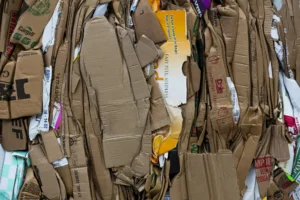
Cardboard is a relatively eco-friendly material that decomposes much faster than plastics and other synthetic materials. However, the exact timeline can vary based on environmental conditions and the presence of additives. By properly disposing of and recycling cardboard, we can help minimize its environmental footprint and promote a more sustainable future. So make sure and bale your cardboard so it can be recycled properly! Call to schedule your cardboard bale pickup today!