The Life Cycle of Recycled Cardboard
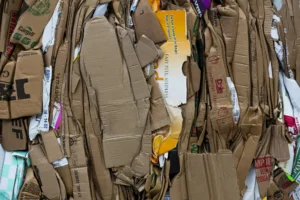
The journey of recycled cardboard is a fascinating process, one that small business owners might not often consider but plays a critical role in sustainability. It all begins when you place flattened boxes into your recycling bin, ensuring they’re free of contaminants like grease or plastic. These bins are collected by local waste management or recycling companies, which transport the materials to a recycling facility where the transformation begins.
At the facility, the cardboard is carefully sorted. Corrugated cardboard, commonly used for shipping boxes, is often separated from thinner types like cereal box cardboard. Any non-recyclable items are removed, ensuring the process remains efficient. Once sorted, the cardboard is shredded into smaller pieces, preparing it for the next stage of its life cycle.
The shredded cardboard is mixed with water and agitated into a slurry, a process known as pulping. During this stage, remaining contaminants like tape, staples, or ink are filtered out. The result is clean, usable pulp that can be reshaped and reused. This pulp is then spread out, pressed to remove excess water, and dried into large sheets. These sheets are versatile and can be rolled for easy transportation or cut into specific sizes, ready to be turned into something new.
Manufacturers use these recycled sheets to create a variety of products. From new corrugated boxes and paperboard for packaging to paper bags and packing materials, the possibilities are extensive. The cardboard your business recycles today might return to you as packaging for shipments or supplies tomorrow. Recycled cardboard fibers can be reused several times before they become too short for effective recycling, making each effort to recycle worthwhile.
This cycle repeats endlessly, reducing the need for virgin materials, conserving energy and water, and cutting down greenhouse gas emissions. By actively participating in cardboard recycling, your business is not just reducing landfill waste but also lowering disposal costs and contributing to a circular economy where materials are reused rather than discarded. Every box flattened and recycled strengthens your sustainability credentials, appealing to eco-conscious customers and showcasing your commitment to the environment.
The next time you flatten a box and set it out for recycling, think about the journey it will take. From being sorted and pulped to becoming a brand-new product, that simple act of recycling is part of a much larger story. It’s a powerful reminder that what may seem like waste is, in fact, a valuable resource. Embracing this mindset helps your business lead by example, supporting both the planet and your bottom line so make sure you recycle when you can and schedule your cardboard bale pickup route for your business today!